
Returning Home

Scripture presents a kind of downward progression: from ignorance to foolishness, from foolishness to wickedness, and finally from wickedness to evil. The Bible uses these terms to describe real men and women. One of the great gifts of a faithful church and family is that they interrupt this decline. Through sound doctrine and instruction, ignorance is overcome. Through reproof and correction, foolishness is addressed. And through loving but firm discipline—even to the point of removing the unrepentant from fellowship (2 Tim. 3:16; 1 Cor. 5:13)—wickedness is confronted.
We need community for these reasons. We also need it for authority, accountability, godly examples, and encouragement. “As iron sharpens iron, so one man sharpens another” (Prov. 27:17). In healthy relationships, we are refined, steadied, and strengthened.
But when a person withdraws from such redemptive communities—or lives within one that is deeply unhealthy—they are left alone at the center of their own universe, forced to make every judgment call by themselves. They are not equipped to bear that weight, yet they feel compelled to try. Insecurity grows. The burden becomes unbearable. As they turn inward, the world begins to feel dark and threatening. Others are no longer neighbors to love but dangers to resist. Isolation may feel like safety, but it is the very place where one is most vulnerable.
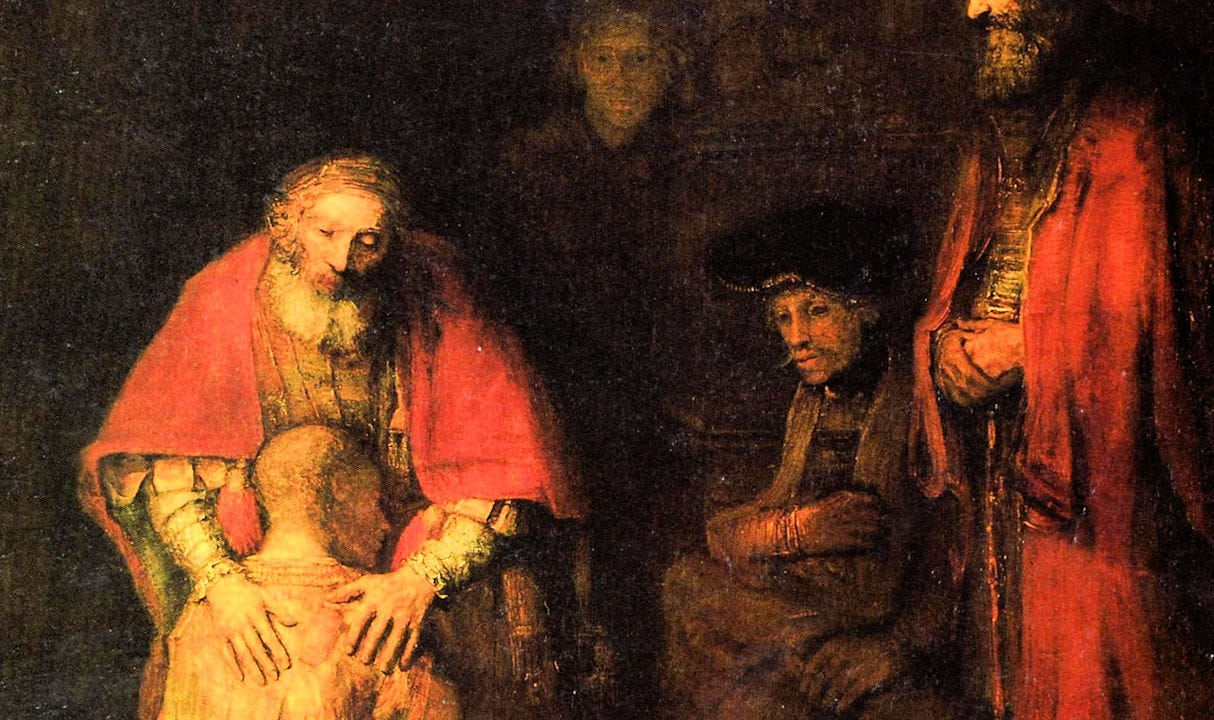
Redemption is never merely a private affair. God saves a people, not just isolated individuals. The prodigal son’s restoration began when he returned home.